Fencing for All
Every Body Belongs in Sport.
Adaptive fencing is fast, tactical and fiercely competitive. Whether you fence from a wheelchair or on the piste, there is a weapon, a club and a pathway built for you — and a guide to help you find it.
Inclusive guidance. Trusted program information. Personalized next steps.
Fencing for All Assistant
Fencing for All Assistant
Ask about adaptive fencing, equipment, fencing disciplines, getting started, programs, accommodations, or competition pathways.
Powered by Salesforce Agentforce + Data Cloud
Ready
PrivacyHi! I’m the Fencing for All Assistant, powered by Agentforce. I can help you explore fencing, understand adaptive options, find programs, and request additional assistance. What would you like to know?
Try one of these questions
Press Enter to send, Shift + Enter for a new line. 0/1500 characters.
Powered by Salesforce Agentforce + Data Cloud
Fencing Is for Everyone
Start at Any Age
Fencers begin at eight and at eighty. Clubs run beginner courses year-round, and progress is measured against yourself first.
Adapt the Sport
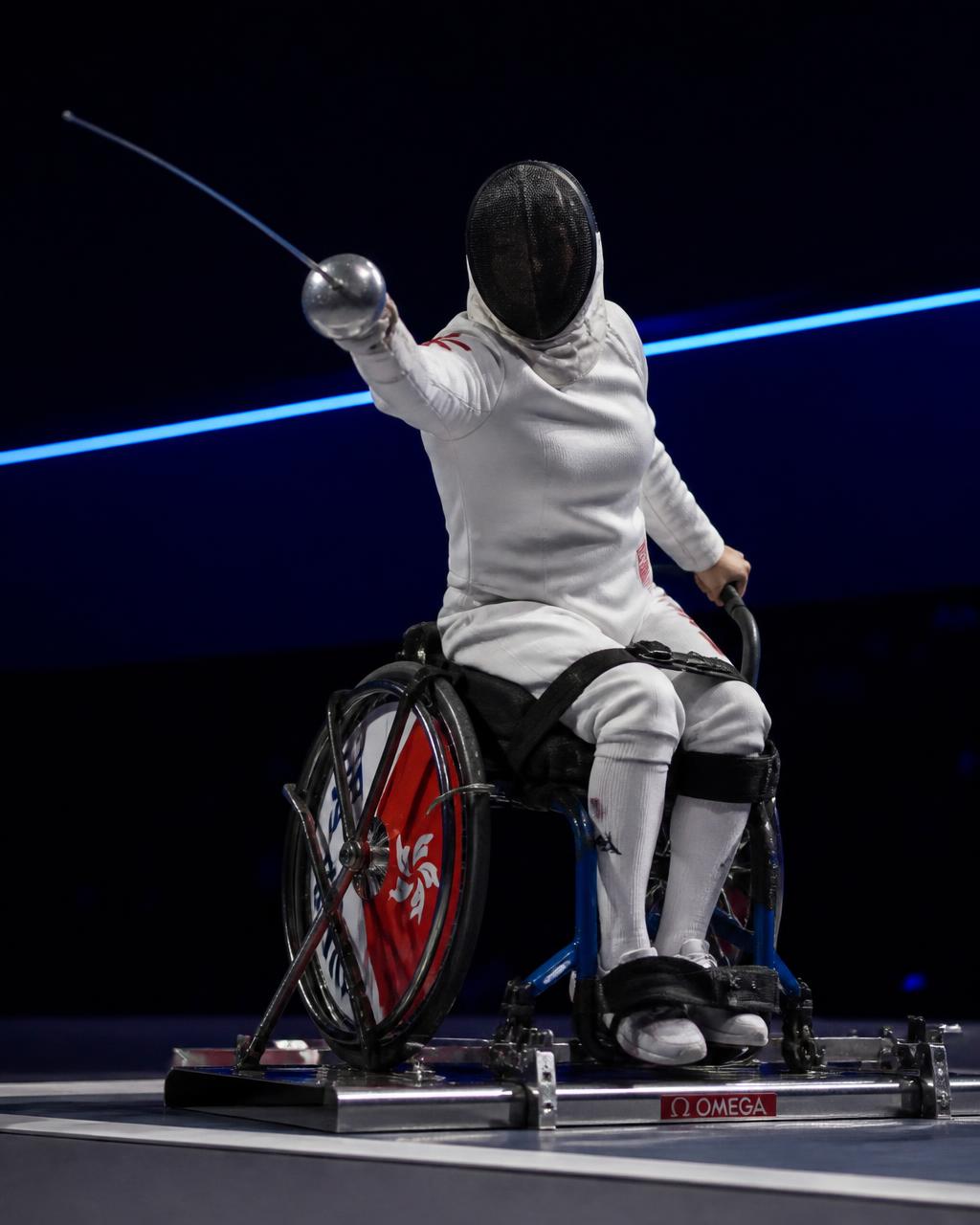
Wheelchair fencing frames, seated bouts, grip adaptations and coaching adjustments keep the sport fast, fair and demanding.
Choose Your Weapon
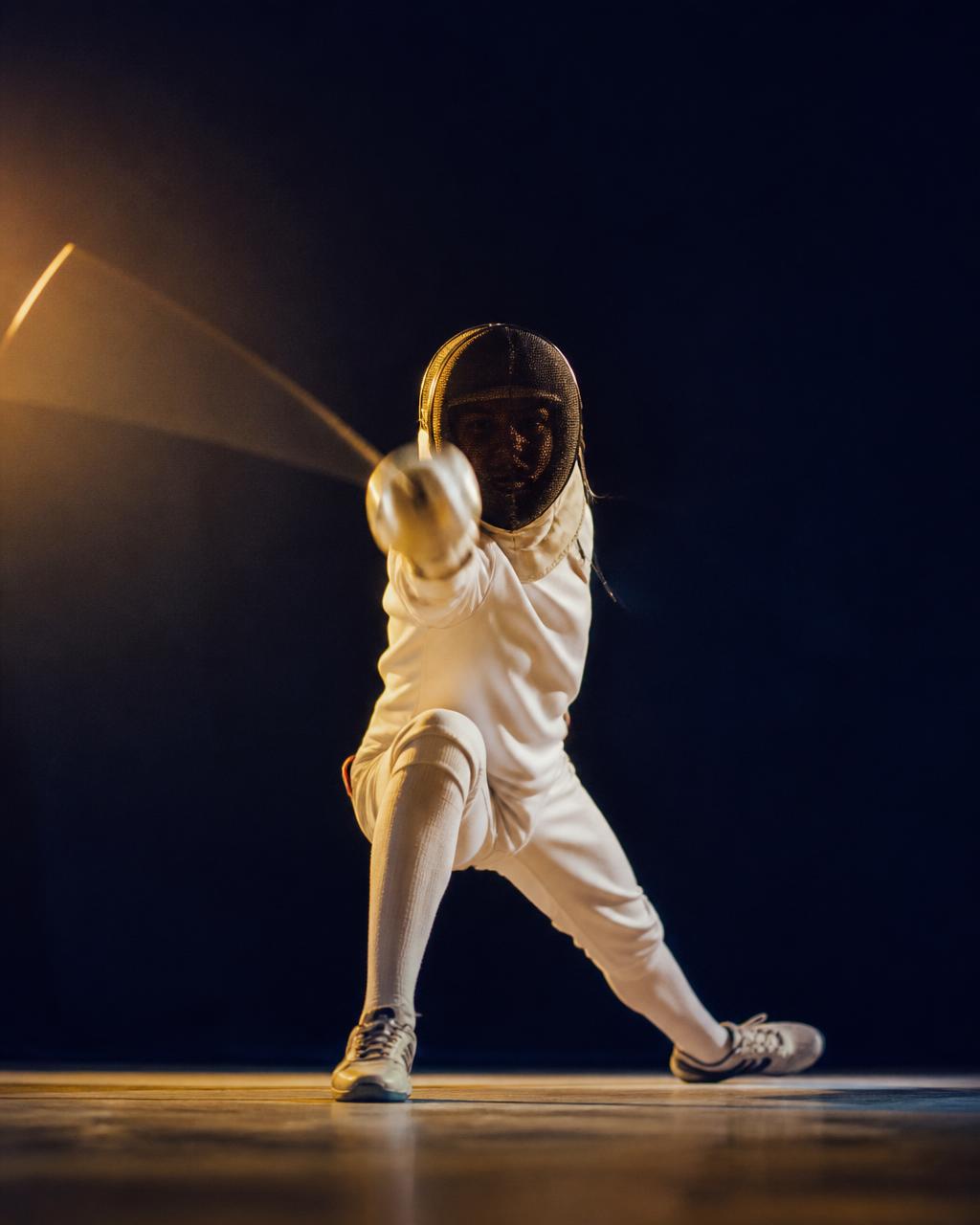
Épée, foil and sabre reward different instincts. Most beginners try more than one before choosing.
Foil, épée, and sabre
| Weapon | Target area | Scoring concept | Pace and style | Beginner appeal |
|---|---|---|---|---|
| Épée | Entire body | First touch anywhere scores; both can score at once | Patient, precise, tactical | Simple rules make it a common starting point |
| Foil | Torso only | Right of way decides who scores | Technical, controlled, conversational | Builds strong fundamentals |
| Sabre | Everything above the waist | Cuts and thrusts, right of way applies | Explosive and fast | Great for athletes who love speed |
Fencing From a Wheelchair
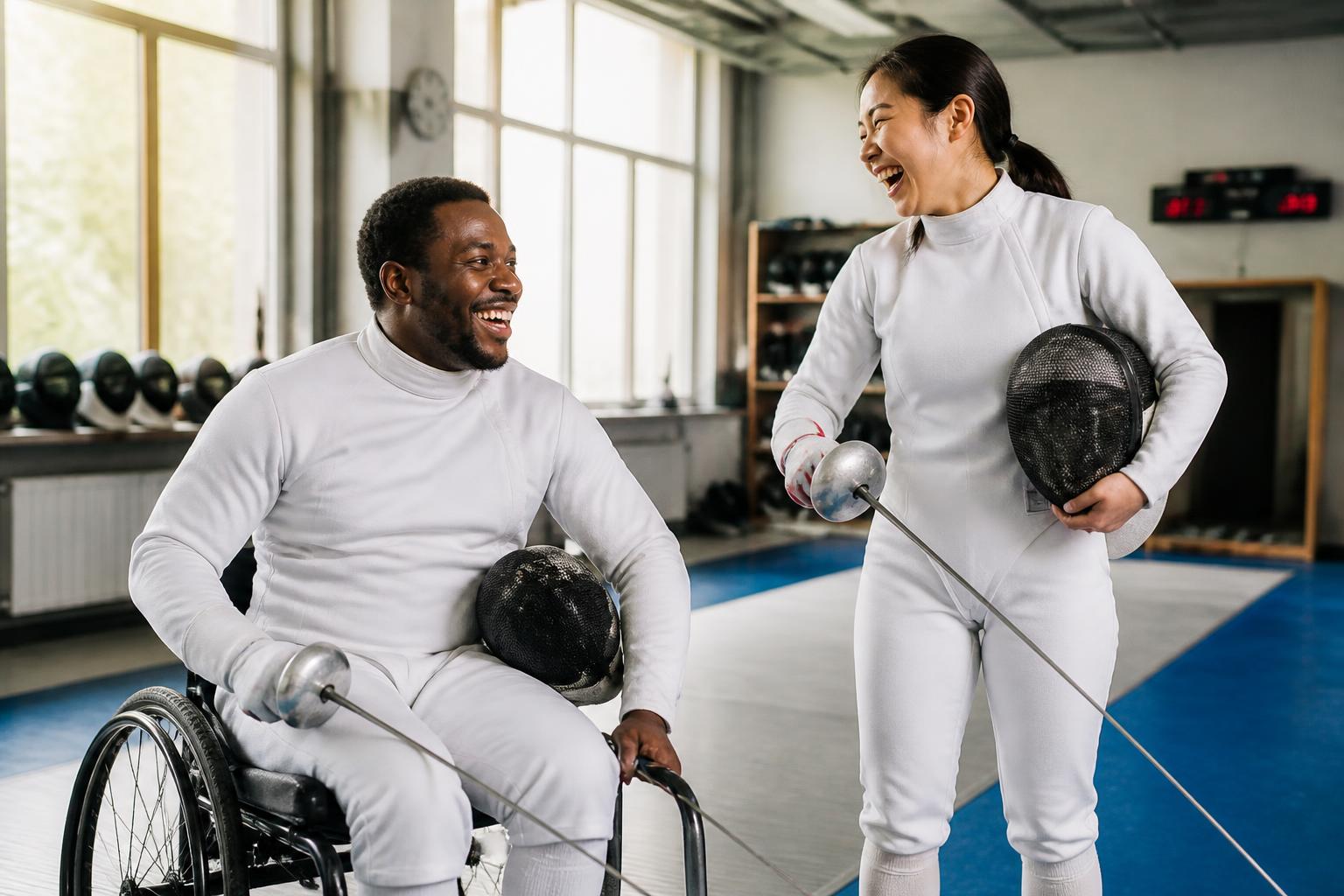
Wheelchair fencing anchors both athletes to frames set at fixed distance. Bouts are close, quick and explosive, testing blade work, timing and reading your opponent. Many clubs welcome both seated and standing fencers in the same session.
From First Lesson to the Paralympics
1
First lesson at a local club
2
Beginner course and basic footwork
3
Club bouts and first equipment
4
Regional competition
5
National events and classification
6
International and Paralympic pathway
Pathways vary by country, weapon and classification. Always confirm eligibility, classification and qualification requirements with your national governing body.
One Conversation. Trusted Answers. Real Next Steps.
1
Ask naturally
Type a question the way you would ask a coach — no forms, no jargon required.
2
Get grounded guidance
The assistant answers from trusted fencing information and clearly flags what to confirm.
3
Connect with people
When you are ready, ask a program specialist to follow up — only with what you choose to share.
Sports 4 All starts with fencing. Gymnastics, skiing, swimming, track and field and team sports will follow, so one conversation can open the door to many sports.